English
 日本語
日本語 한국어
한국어 français
 Deutsch
 Español
 русский
 português
 العربية
 tiếng việt
 ไทย
ไทย
Your Professional Silanes & Silicones Supplier

Contact Us
Try Our Best To Meet Your Needs
Siloxanes and silazanes are organosilicon intermediates used in silicone synthesis, surface modification, and selected electronic or chemical processes.
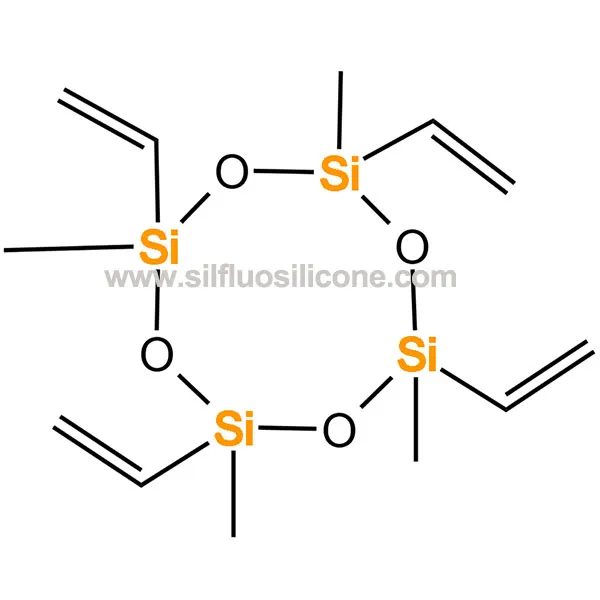
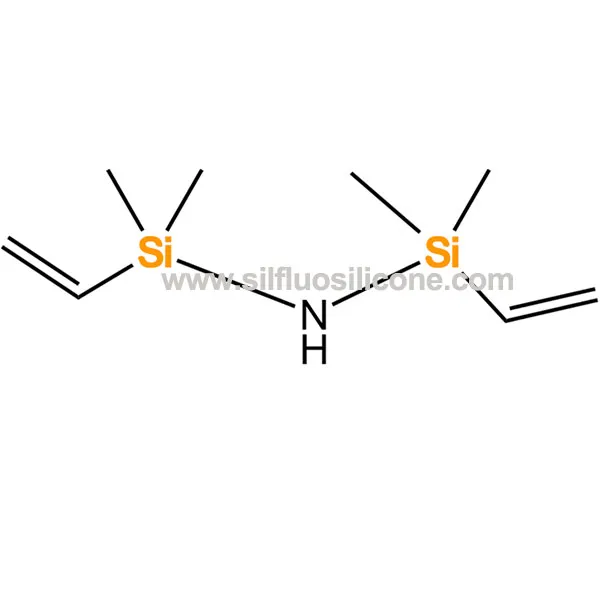
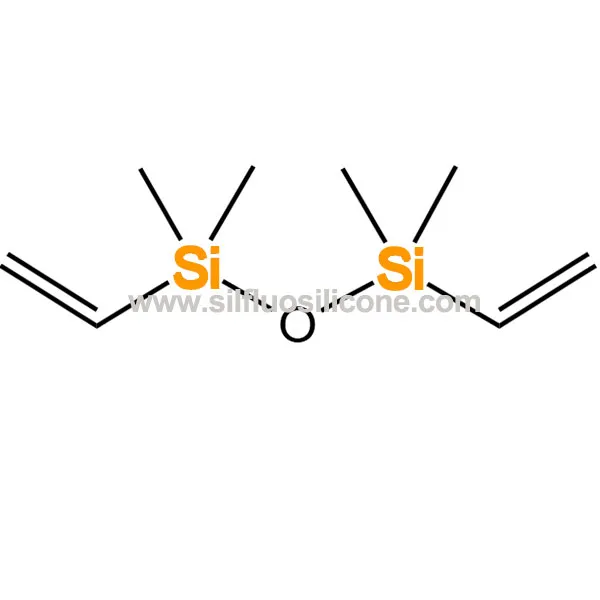
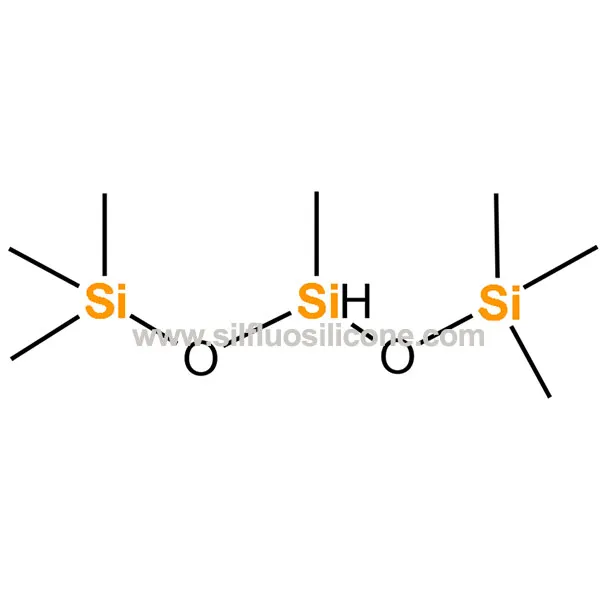
The product range includes vinyl-functional siloxanes, hydrogen-containing siloxanes, hydroxyl-functional siloxanes, cyclic siloxanes, and silazane compounds.
Unsaturated siloxanes can be used in hydrosilylation, radical polymerization, and silicone elastomer synthesis.
Linear and cyclic siloxanes can be used as structural intermediates, chain modifiers, diluents, or process additives in selected silicone systems.
Silazanes can be used for silylation, surface passivation, moisture-sensitive surface treatment, and selected synthesis routes.
Typical evaluation areas include silicone elastomers, silicone resins, LSR systems, surface treatment, photolithography auxiliary materials, and chemical synthesis intermediates.

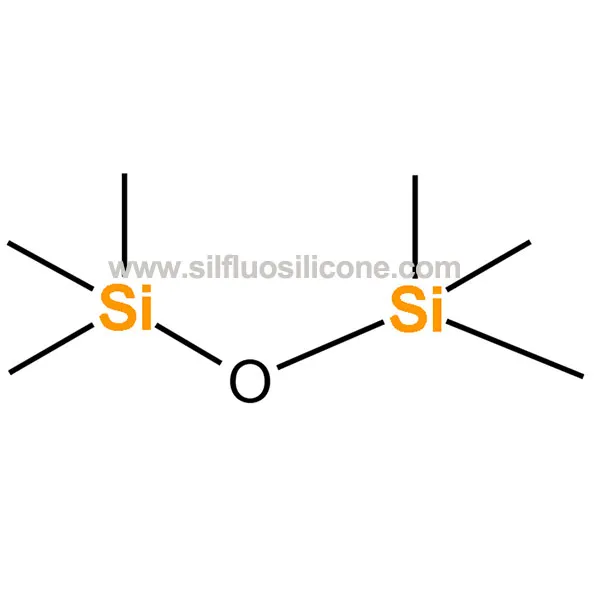
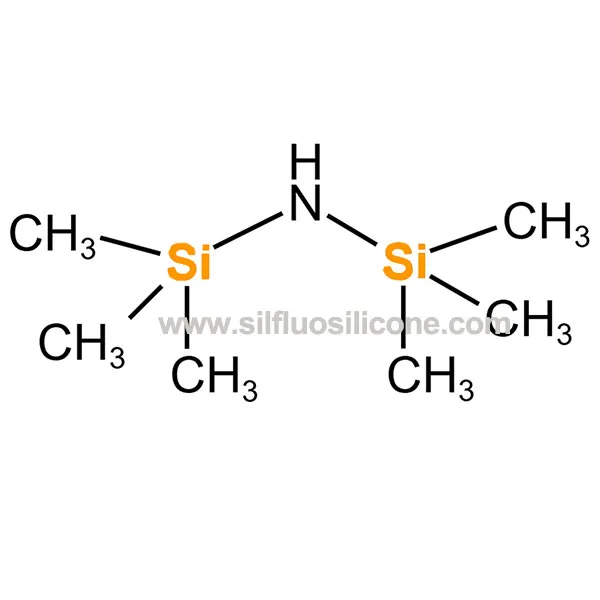
Siloxanes and silazanes are silicon-based compounds with distinct properties and applications. Siloxanes consist of silicon-oxygen bonds and are commonly found in silicone polymers. They are known for their heat resistance and flexibility and are used in various industries. Silazanes, on the other hand, contain silicon-nitrogen bonds and are used in ceramics, coatings, and adhesives. When heated, silazanes can form ceramic materials. The key difference lies in their chemical structure and applications, with siloxanes being more common in everyday products and silazanes often used in specialized, high-temperature applications.
Siloxanes offer flexibility and heat resistance, making them ideal for silicone products in industries like electronics and construction. Silazanes, in contrast, are used in ceramics, coatings, and adhesives. They can form ceramic materials when heated, offering high-temperature stability. Both have diverse applications due to their chemical structures, making siloxanes suitable for everyday products and silazanes preferred in specialized, high-temperature processes, highlighting their adaptability to various industrial needs and providing valuable material properties in specific applications.