Search
la st493 polyether modified polysiloxane silicone surfactant

LA-ST493 Polyether-Modified Polysiloxane Silicone Surfactant

Silfluo LF-ST493 is a 100% active water-soluble polyether-modified polysiloxane (CAS 68937-54-2), consisting of a polydimethylsiloxane backbone grafted with hydrophilic polyoxyethylene (EO) side chains. The amphiphilic structure positions LF-ST493 at air-water and oil-water interfaces, reducing surface tension in aqueous systems and providing foam stabilization, resin plasticization, and wetting functions within a single component.

The polyoxyethylene graft chains confer complete water solubility and a cloud point of 90–100°C, distinguishing LF-ST493 from trisiloxane ethoxylates (LA-10 through LA-15), which have cloud points below 10°C and function primarily as agricultural stomatal penetrants. LF-ST493 operates across personal care, polyurethane foam, industrial cleaning, and textile applications where water solubility, foam activity, and film flexibility are required simultaneously.

Performance is equivalent to Dow DOWSIL 193 Surfactant (DC193).


Typical Technical Properties of LA-ST493 Polyether-Modified Polysiloxane Silicone Surfactant


Silfluo Code:

LF-ST493

Chemical Name:

Polyether Modified Polysiloxane

Silicone Polyether, Water-Soluble Silicone Wax, PEG-12 Dimethicone

CAS NO.:

68937-54-2

Appearance (25°C):

Transparent to Light yellow transparent liquid

Active Content:

100%

Viscosity (25°C, mPa.s):

200-400

Density(25°C):

1.08

Cloud Point °C:

90-100

Solubility in Water:

Completely soluble

Freezing Point °C:

<11


Mechanism of Action of LA-ST493 Polyether-Modified Polysiloxane Silicone Surfactant


  • The polydimethylsiloxane backbone provides a hydrophobic anchor at interfaces while the polyoxyethylene graft chains orient toward the aqueous phase, producing stable adsorption at air-water and oil-water interfaces. This amphiphilic architecture reduces aqueous surface tension, stabilizes foam lamellae by increasing surface viscosity, and allows the molecule to intercalate within film-forming resin matrices.

  • In polyurethane foam applications, the silicone polyether backbone adsorbs at the gas-liquid interface of the forming foam cells, reducing surface tension of the liquid phase and stabilizing cell walls against coalescence and rupture during the exothermic foaming reaction. Cell size uniformity and closed-cell content in the cured foam are directly influenced by surfactant molecular weight, EO chain length, and loading level — optimize by foam rise test and cell structure analysis.

  • In resin plasticization, the PDMS backbone reduces polymer chain-chain interactions in film-forming resins (e.g., polyurethane, acrylate), lowering glass transition temperature of the film and reducing brittleness and flaking without the volatility and migration associated with conventional plasticizers.


Applications and Recommended Dosage of LA-ST493 Polyether-Modified Polysiloxane Silicone Surfactant


Recommended dosage: 0.01–1.0 wt% of total formulation weight across all application areas. Specific loading levels by application:


  • Personal Care and Cosmetics

    In hair styling formulations (aerosol and pump sprays), used as a resin plasticizer at 0.1–0.5 wt% to reduce film brittleness and flaking of styling hold polymers (e.g., PVP, VP/VA copolymers) without reducing hold strength. In shampoos and body washes, used as a foam booster and stabilizer at 0.1–0.5 wt% to increase lather density and longevity in sulfate-based and sulfate-free cleansing systems. In skin care, used as a water-soluble emollient at 0.05–0.5 wt% to reduce tack and improve skin feel of film-forming formulations; verify compatibility with emulsifier system and active ingredients before incorporation.

  • Industrial Cleaning and Anti-Fog Treatments

    In anti-fog glass treatments, used at 0.05–0.5 wt% to reduce aqueous surface tension below the threshold for film formation on glass, causing condensation to spread into a uniform transparent film rather than forming discrete droplets. In hard surface detergents, used at 0.01–0.3 wt% as a wetting and leveling agent to reduce surface tension of the cleaning solution and prevent water spotting during evaporation on glass and metal surfaces.

  • Polyurethane Foam

    In rigid PU foam, used as a cell stabilizer at 0.5–2.0 wt% of the polyol component. Adsorbs at gas-liquid interfaces during foam rise, reducing surface tension of the liquid phase and stabilizing cell walls against coalescence. Optimize loading versus cream time, rise time, and cured foam density by cup foam test before production trial. Incompatible with isocyanate (NCO) component — add to polyol side only.

  • Textiles

    Used as a hydrophilic softening and antistatic agent in textile finishing baths at 0.1–1.0 wt% of bath volume. Reduces fiber-fiber and fiber-metal friction during processing of synthetic (polyester, nylon) and natural (cotton, wool) yarns.

  • Agrochemicals

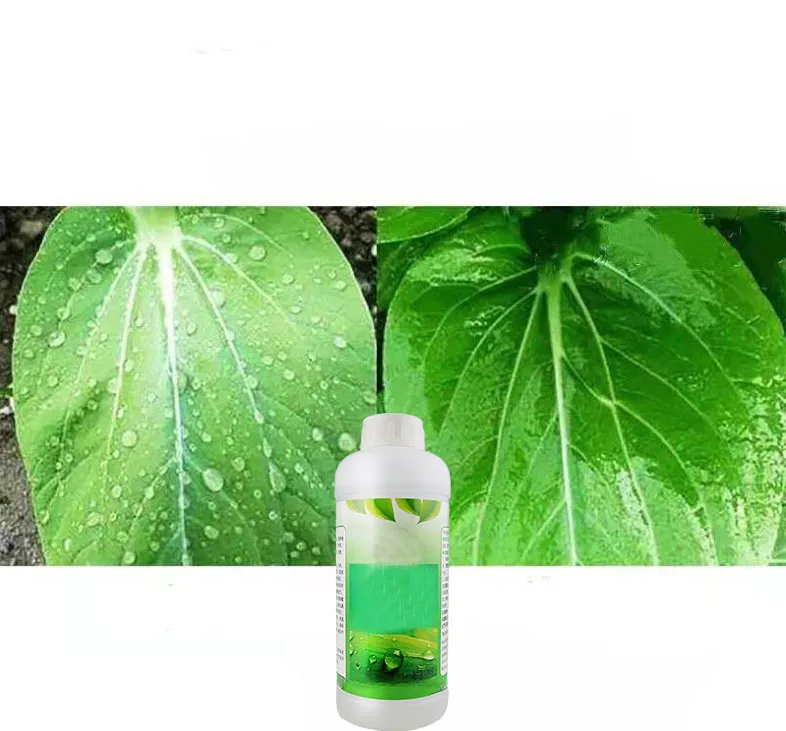
    Used as a wetting agent in specific foliar spray formulations at 0.01–0.1 wt% where complete water solubility and foam stability are required alongside surface tension reduction. Cloud point of 90–100°C allows use in formulations processed or stored at elevated temperatures without phase separation — an advantage over low-cloud-point trisiloxane adjuvants.


Formulation and Processing Notes of LA-ST493 Polyether-Modified Polysiloxane Silicone Surfactant


  • LF-ST493 is stable in aqueous, alcoholic, and hydro-alcoholic systems. Add directly to the water phase or post-add during final blending. Compatible with anionic, cationic, and nonionic surfactants at typical use levels; verify compatibility with specific surfactant systems by jar test before scale-up. Not recommended for use at pH < 4 or pH > 10 during extended storage — polyoxyethylene chain hydrolysis may occur under strongly acidic or alkaline conditions.


Package &Storage of LA-ST493 Polyether-Modified Polysiloxane Silicone Surfactant


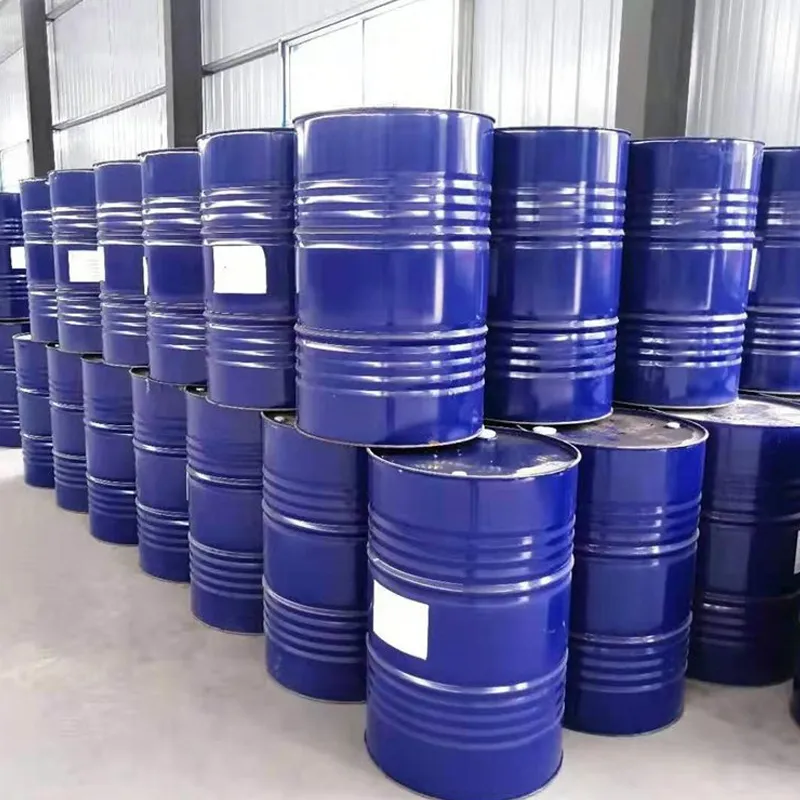
  • Supplied in 200L galvanized iron drums or customized packaging systems upon request.

  • Store at temperatures between 10°C and 30°C in a dry, ventilated environment. Shelf Life is 12 months from the date of manufacture in original, unopened containers. Testing of core parameters is required for quality assurance if utilized beyond the stated shelf life. Classified and transported as a non-hazardous chemical substance.

Silicone Resin
Your Professional Silanes & Silicones Supplier
Nanjing Silfluo New Material Co., Ltd.
Contact Us
Try Our Best To Meet Your Needs
What's News At Silfluo
Copyright © Nanjing Silfluo New Material Co., Ltd. All Rights Reserved.
inquiry@silfluo.com
0086-18351817618