Typical Technical Properties of LF-HF12 Hydrogen-Containing Fluorosilicone Fluid
Silfluo Code: | LF-HF12-M20 | LF-HF12-M80 | LF-HF12-TS45 | LF-HF12-TS40 | LF-HF12-T03 |
Functional Type: | Methyl-terminated, pendant Si-H fluorosilicone fluid | Terminal and pendant Si-H fluorosilicone fluid | Hydrogen-terminated fluorosilicone fluid |
Si-H Content (wt%) | 0.20 | 0.80 | 0.45 | 0.40 | 0.03 |
Kinematic Viscosity (25°C, mm²/s [cSt]) | 20-100 | 200 |
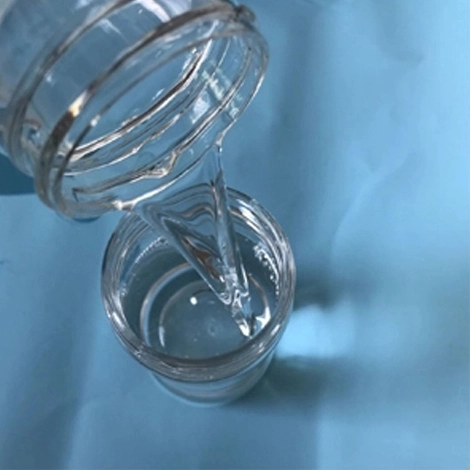
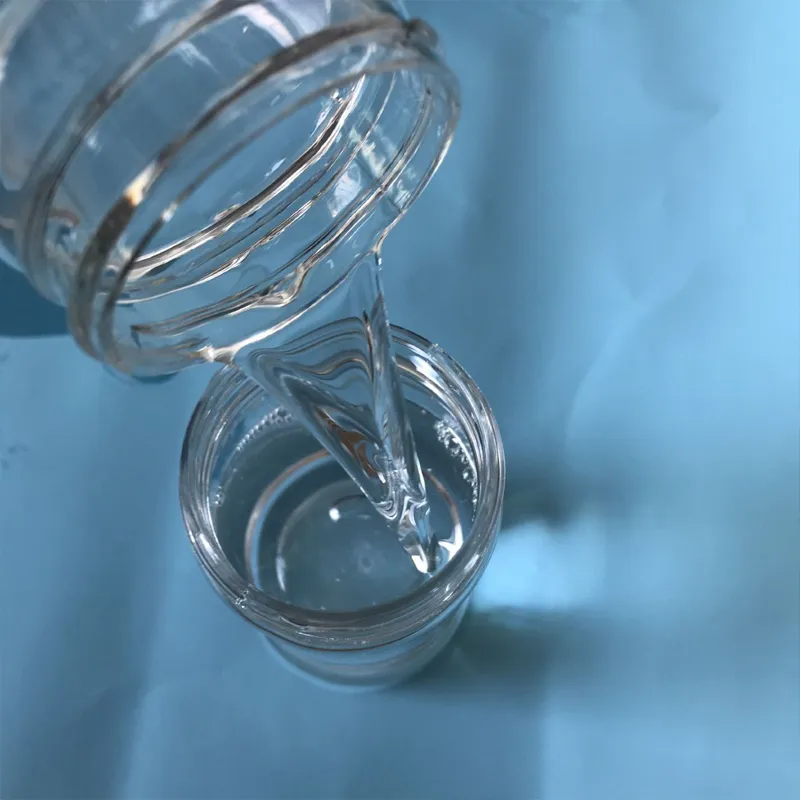
Appearance | Colorless transparent oily liquid |
Density (25°C, g/cm³) | 1.00-1.30 |
Refractive Index (25°C) | 1.380-1.400 |
Notes: | Viscosity and Si-H content can be customized. Code suffix: M = methyl-terminated/pendant Si-H; TS = terminal + pendant Si-H; T = terminal Si-H; number = nominal Si-H content (wt%) x100. |
Applications of LF-HF12 Hydrogen-Containing Fluorosilicone Fluid
1. Addition-Cure Fluorosilicone Systems
Crosslinker for platinum-catalyzed fluorosilicone rubber, fluorosilicone potting compounds, fluorosilicone gels, fluorosilicone adhesives and fluorosilicone release-coating or release-liner formulations. Compatibility, catalyst inhibition, Si-H-to-vinyl ratio and cure conditions must be confirmed in the final formulation.
2. Water- and Oil-Repellent Surface Treatment
After suitable formulation and catalysis, LF-HF12 may be evaluated for water- and oil-repellent treatment of rubber, textiles, glass, ceramics, paper, leather, metals, cement and marble. Application-specific testing is required to confirm film formation, repellency and substrate compatibility.
3. Reactive Intermediate for Hydrosilylation
Reactive Si-H functionality allows hydrosilylation with vinyl or other compatible unsaturated groups, supporting the development of fluorosilicone networks and modified materials. Reaction design and safety controls must be established by qualified formulators.
Package & Storage of LF-HF12 Hydrogen-Containing Fluorosilicone Fluid
In 5kg, 25kg and 50kg drum
Keep in cool, dry and ventilated place. Keep in unopened containers, shelf life is 12 months from the date of production. Storage beyond the shelf life does not necessarily mean that the product is no longer usable. In this case however, the properties required for the intended use must be checked for quality assurance reasons.
 English
 日本語
日本語 한국어
한국어 français
 Deutsch
 Español
 русский
 português
 العربية
 tiếng việt
 ไทย
ไทย