Search

Fluoro Silicone: Why FVMQ Is the Safer Sealing Choice for Hydrogen-Ready Green Energy Infrastructure in 2026

Table of Content [Hide]

    The energy transition of 2026 is not only a story about solar panels, wind turbines, and battery storage. It is also a story about the thousands of seals, gaskets, O-rings, hoses, and connectors that hold green energy systems together — and what happens when those components are made from materials that were never designed for the chemical environments they are now being asked to survive.

    Hydrogen molecules are the smallest in existence. They permeate through polymer materials that would contain larger molecules without difficulty, creating slow but continuous leakage that reduces fuel cell efficiency and creates safety risk in enclosed spaces. Synthetic e-fuels — produced from renewable electricity and captured carbon dioxide — contain chemical components that cause conventional nitrile rubber to swell, soften, and lose its sealing geometry within months of service. Biodiesel blends with high fatty acid methyl ester content attack the polymer networks of standard elastomers through a combination of chemical absorption and hydrolytic degradation that accelerates with temperature and time.

    For engineers and procurement teams building hydrogen fuel cell systems, biodiesel pipelines, e-fuel delivery infrastructure, and new energy vehicle platforms in 2026, the sealing material decision is a safety and reliability decision — not just a cost decision. Fluoro silicone has emerged as one of the most technically appropriate answers to this challenge. By combining the low-temperature flexibility of silicone with the chemical resistance of fluorocarbon materials, fluoro silicone rubber from Silfluo addresses the specific failure modes — swelling, permeation, compression loss, and cold-start brittleness — that are causing conventional elastomers to fail in new energy environments.

    This guide covers the complete technical and commercial picture for buyers evaluating fluoro silicone for green energy sealing applications: why traditional materials fail in hydrogen and synthetic fuel environments, how fluoro silicone chemistry reduces swelling and permeation risk, what properties to evaluate in grade selection, how FVMQ compares to FKM and other alternatives, and what sourcing and maintenance practices protect sealing system integrity over the long term. Secondary keywords relevant to this decision — hydrogen compatible rubber, fluoro silicone chemical resistance, biofuel sealing solutions, and FVMQ vs FKM in new energy — are addressed throughout.

    fluoro silicone rubber1.png

    Why Fluoro Silicone Has Become Essential for Hydrogen-Ready Energy Systems in 2026

    To understand why fluoro silicone is gaining traction as the sealing material of choice for green energy infrastructure, it is necessary to understand what is actually happening to conventional rubber compounds in these new operating environments — and why the failure mechanisms are different from anything the sealing industry has dealt with at scale before.

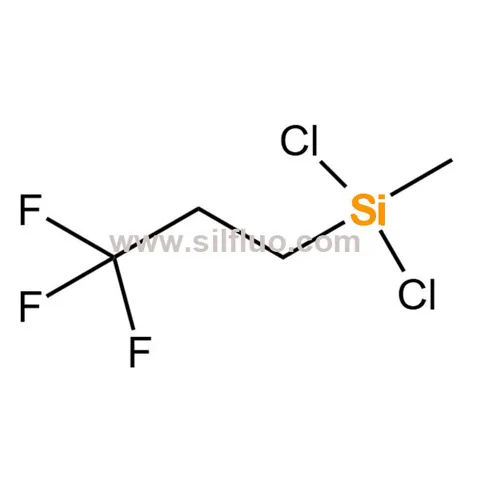
    Fluoro silicone is a fluorine-modified silicone elastomer — classified as FVMQ in the ISO elastomer designation system — that contains fluorinated side groups attached to a silicone polymer backbone. This molecular architecture gives the material two distinct performance characteristics that work together to address new energy sealing challenges: the silicone backbone provides low-temperature flexibility and thermal stability across a wide temperature range, while the fluorinated side groups provide resistance to fuels, oils, solvents, and aggressive chemical compounds that would cause conventional silicone or organic rubber to swell, soften, or degrade.

    The specific threats that 2026 green energy systems pose to sealing materials are well-documented and increasingly well-understood:

    Hydrogen permeation is the most distinctive challenge of hydrogen fuel cell and hydrogen storage sealing. Hydrogen molecules — with a kinetic diameter of approximately 0.289 nanometers — are small enough to diffuse through many polymer materials at rates that are commercially significant. A sealing material with high hydrogen permeability will allow hydrogen to migrate through the seal body even when the macroscopic sealing interface appears intact, creating continuous leakage that reduces system efficiency and creates accumulation risk in enclosed spaces. Hydrogen compatible rubber must therefore be evaluated for gas permeability — a specification that is not routinely required for conventional fuel sealing applications.

    E-fuel chemical aggression presents a different challenge. Synthetic e-fuels produced from power-to-liquid processes contain oxygenated compounds, aromatic fractions, and chemical additives that have different solubility parameters from conventional petroleum fuels. Conventional nitrile rubber, which was developed and validated for petroleum-based fuel environments, can swell significantly in e-fuel contact — changing seal dimensions, reducing compression control, and creating leakage paths that grow progressively worse with continued exposure.

    Biodiesel swelling is a well-documented failure mode in conventional rubber sealing. Fatty acid methyl esters — the primary components of biodiesel — are polar molecules that interact strongly with the polymer networks of standard elastomers, causing volume increases that can reach 20% or more in susceptible materials. A seal that swells by 20% in service has lost its designed compression geometry and is no longer providing the sealing force that the system design assumed.

    Cold-start brittleness affects any sealing application where the system must maintain leak-free performance immediately after startup from low ambient temperatures. Many conventional elastomers — including standard FKM fluorocarbon rubber — become stiff and lose elastic recovery at temperatures below -20°C to -30°C. A seal that cannot conform to the sealing surface at cold-start temperatures allows leakage during the most vulnerable phase of system operation.

    Fluoro silicone rubber addresses all four of these failure modes through its molecular architecture, making it one of the most technically appropriate sealing materials for the hydrogen, e-fuel, and biodiesel applications that define 2026 green energy infrastructure. Key application areas include hydrogen fuel cell stack sealing, green hydrogen valve and connector sealing, biodiesel and e-fuel pipeline gaskets and O-rings, new energy vehicle fuel system components, and industrial fuel transfer equipment in energy transition projects.

    How Fluoro Silicone Chemistry Reduces Swelling, Permeation, and Leakage Risk

    The performance advantage of fluoro silicone over conventional elastomers in new energy sealing applications is rooted in specific molecular mechanisms — and understanding these mechanisms helps buyers evaluate fluoro silicone chemical resistance claims against the actual contact media in their application.

    The Swelling Reduction Mechanism

    Swelling occurs when molecules from the contact fluid diffuse into the polymer network of the rubber, causing it to expand. The degree of swelling depends on the thermodynamic compatibility between the rubber polymer and the contact fluid — materials with similar solubility parameters swell more, while materials with dissimilar solubility parameters swell less. The fluorinated trifluoropropyl side groups in fluoro silicone have a solubility parameter that is significantly different from most fuel and oil molecules, which means that fuel molecules have less thermodynamic driving force to diffuse into the fluorosilicone polymer network.

    The practical consequence is that fluoro silicone swells significantly less than conventional silicone or nitrile rubber when immersed in fuels, biodiesel, e-fuels, and synthetic lubricants. Lower swelling means that the seal maintains its designed geometry, compression, and sealing force after fuel contact — which is the fundamental requirement for a reliable biofuel sealing solution and e-fuel system component.

    The Permeation Control Mechanism

    For hydrogen-contact sealing applications, the permeation resistance of the sealing material is as important as its chemical resistance. The trifluoropropyl side groups in fluoro silicone create a more tortuous diffusion path for small gas molecules than the methyl side groups in conventional silicone, reducing the gas permeability of the material. While no polymer material is completely impermeable to hydrogen, the lower permeability of fluoro silicone compared with conventional VMQ silicone makes it a more appropriate choice for hydrogen compatible rubber applications where minimizing hydrogen migration through the seal body is a design requirement.

    The Low-Temperature Flexibility Mechanism

    The silicone backbone of fluoro silicone — alternating silicon and oxygen atoms — has a much lower glass transition temperature than carbon-carbon backbones found in conventional organic rubbers. This means that the silicone backbone remains flexible and elastic at temperatures where conventional rubber becomes rigid and brittle. Silfluo's technical documentation confirms that fluorosilicone rubber has excellent low-temperature performance, with some grades showing very low brittle points that make them suitable for cold-climate sealing applications and cold-start scenarios.

    The Compression Set Resistance Mechanism

    Compression set — the permanent deformation that remains in a rubber seal after extended compression — determines how well the seal maintains its sealing force over its service life. A high compression set means that the seal progressively loses its ability to recover its original thickness, reducing contact pressure at the sealing interface and eventually allowing leakage. The combination of chemical stability and thermal stability in fluoro silicone supports better compression set resistance than conventional elastomers in fuel-contact, high-temperature, and thermally cycled applications.

    The combined effect of these mechanisms delivers concrete buyer benefits for new energy sealing applications:

    • Lower leakage risk from reduced swelling and maintained seal geometry

    • Fewer unplanned system shutdowns caused by seal failure

    • Longer part replacement intervals that reduce maintenance cost and system downtime

    • Better cold-start sealing performance in hydrogen fuel cell and outdoor energy systems

    • Improved reliability during the energy transition period when fuel compositions and system designs are still evolving

    fluoro silicone rubber.png

    Key Fluoro Silicone Properties That Buyers Must Evaluate Before Grade Selection

    Selecting the right fluoro silicone rubber grade for a specific new energy sealing application requires evaluating a set of material properties that go beyond the basic hardness and tensile strength specifications sufficient for conventional rubber procurement. The following property framework provides a structured approach for buyers and engineers making sealing material decisions for hydrogen, e-fuel, and biodiesel systems.

    Chemical Resistance and Swelling Data

    The most important property for fuel-contact sealing is the material's actual swelling behavior in the specific contact medium. General chemical resistance ratings are a starting point, but they cannot replace immersion test data — weight change and volume change after defined exposure periods in the actual fuel or fluid at the operating temperature. Different biodiesel blends, e-fuel formulations, and hydrogen carrier fluids have different chemical compositions, and swelling behavior can vary significantly between nominally similar fluids. Buyers should always request immersion test data in their specific contact medium rather than relying on generic fuel resistance claims.

    Low-Temperature Brittle Point and Compression Recovery

    For hydrogen fuel cell cold-start applications and outdoor energy infrastructure in cold climates, the brittle point — the temperature at which the material loses elastic recovery — is a critical specification. Buyers should confirm that the selected fluoro silicone grade maintains adequate flexibility at the minimum expected operating temperature, and request compression set recovery data at low temperature to verify that the seal can conform to the sealing surface after cold-start conditions.

    Gas Permeability for Hydrogen Applications

    Gas permeability — expressed as the permeability coefficient for hydrogen at the operating temperature and pressure — is a critical specification for hydrogen-contact sealing that is not routinely provided in standard rubber data sheets. Buyers developing hydrogen fuel cell sealing, hydrogen storage systems, or hydrogen transfer components should specifically request hydrogen permeability test data and compare it across candidate materials.

    Compression Set After Combined Aging

    Compression set after combined heat and media exposure — rather than heat aging alone — is the most representative indicator of long-term sealing performance in fuel-contact applications. A material that shows acceptable compression set after heat aging alone may perform significantly worse after combined heat and fuel exposure, as the chemical interaction between the fuel and the polymer network can accelerate stress relaxation.

    PropertyRelevance to New Energy SealingEvaluation Method
    Chemical resistance and swellingPrevents geometry loss in fuel-contact applicationsImmersion test data in actual contact medium
    Low-temperature flexibilityMaintains sealing during cold starts and thermal cyclingBrittle point and low-temperature compression recovery
    Gas permeabilityControls hydrogen migration through seal bodyHydrogen permeability coefficient at operating conditions
    Compression setMaintains sealing force over service lifeCompression set after combined heat and media aging
    Heat aging resistanceSupports long-life fuel cell and industrial useMechanical property retention after defined aging periods
    Ozone and weather resistanceProtects outdoor energy infrastructure sealsAccelerated weathering test performance
    Processing compatibilityAffects O-rings, gaskets, hoses, and molded partsGrade and curing system confirmation for part form

    FVMQ vs FKM in New Energy: Choosing the Right Sealing Material for Each Application

    The FVMQ vs FKM in new energy comparison is the most common material selection question that engineers face when upgrading sealing systems for hydrogen, biodiesel, and e-fuel applications. Both materials offer chemical resistance advantages over conventional rubber, but their performance profiles are different in ways that make each more appropriate for specific operating conditions.

    Understanding the Core Performance Difference

    FKM fluorocarbon rubber offers broad chemical resistance to a wide range of fuels, oils, and aggressive chemicals, and maintains its mechanical properties at high temperatures — typically up to 200°C or higher depending on the grade. Its primary limitation is low-temperature flexibility: standard FKM grades become stiff and lose sealing effectiveness at temperatures below approximately -20°C, and some grades have brittle points above -30°C. For applications that require both high-temperature chemical resistance and low-temperature flexibility — such as hydrogen fuel cell systems that experience cold starts in winter climates — standard FKM may not provide adequate performance across the full operating temperature range.

    Fluoro silicone (FVMQ) provides a different balance. Its silicone backbone delivers significantly better low-temperature flexibility than FKM, maintaining elasticity at temperatures where FKM becomes rigid. Its fluoro silicone chemical resistance to fuels, oils, and solvents is good — better than conventional silicone, though the breadth of chemical resistance at elevated temperatures may differ from the best FKM grades depending on the specific contact medium. For applications where the operating temperature range extends to low temperatures, or where cold-start sealing performance is critical, fluoro silicone provides a performance advantage that FKM cannot match.

    MaterialBest ApplicationPrimary StrengthKey Consideration
    Fluoro silicone / FVMQHydrogen systems, cold-climate fuel sealing, biodiesel lines, e-fuel sealsLow-temperature flexibility plus fuel and chemical resistanceMechanical strength must be matched to application load
    FKM fluorocarbonHigh-temperature fuel and chemical sealingBroad chemical resistance at elevated temperaturesLow-temperature flexibility more limited than FVMQ
    Standard silicone / VMQGeneral temperature sealing without fuel exposureExcellent flexibility and weather resistanceWeaker resistance to fuels and solvents
    NBR / HNBRConventional petroleum-based oil and fuel systemsCost-effective, widely availableMay swell in biodiesel blends and e-fuel formulations

    Application-Specific Guidance

    For hydrogen fuel cell sealing — where cold-start performance is required, the contact medium includes hydrogen gas and fuel cell system chemicals, and long-term sealing reliability is a safety requirement — fluoro silicone is generally the preferred choice. Its low-temperature flexibility ensures sealing performance during cold starts, and its lower gas permeability compared with conventional silicone reduces hydrogen migration through the seal body.

    For biodiesel pipeline sealing — where the contact medium is a fatty acid methyl ester blend and the operating temperature range may include cold ambient conditions — fluoro silicone provides the combination of biofuel sealing solutions capability and low-temperature flexibility that these applications require. Buyers should validate swelling behavior in the specific biodiesel blend used in their system, as fatty acid methyl ester content and additive packages vary between formulations.

    For high-temperature industrial fuel system sealing — where the operating temperature consistently exceeds 150°C and low-temperature performance is not a primary requirement — FKM may offer advantages at the elevated temperature end of the range. The FVMQ vs FKM in new energy decision should always be based on the actual operating temperature range, contact media, and performance requirements of the specific application.

    Common Challenges in New Energy Sealing Material Selection

    • Hydrogen permeability is frequently overlooked because it is not a standard specification in conventional rubber procurement — buyers must specifically request this data for hydrogen-contact applications

    • Biodiesel and e-fuel compatibility varies significantly by formulation — general chemical resistance ratings may not accurately predict behavior in specific fuel blends

    • Low-cost elastomers selected on price alone may increase leakage risk and system downtime in ways that far exceed the initial material cost saving

    • Incorrect material selection based on experience with conventional petroleum fuels can lead to premature seal failure in new energy environments where the chemical composition is fundamentally different

    Fluoro Silicone Sourcing Checklist and Long-Term Maintenance Guide for Green Energy Infrastructure

    Selecting the right fluoro silicone rubber grade is the foundation of a reliable new energy sealing system, but the sourcing process, application validation, and maintenance practices that follow are equally important for ensuring that the sealing system performs as designed throughout the service life of the energy infrastructure.

    Pre-Purchase Buyer and Engineering Checklist

    Before specifying fluoro silicone for a hydrogen, biodiesel, or e-fuel sealing application, buyers and engineers should work through the following validation steps:

    • Confirm the exact contact medium: hydrogen gas, biodiesel blend, e-fuel formulation, synthetic lubricant, coolant, solvent, or combined exposure

    • Request fluoro silicone chemical resistance data and immersion test results in the specific contact medium — not just general fuel resistance ratings

    • Ask for swelling and weight-change test results after defined immersion periods at the operating temperature

    • Confirm low-temperature flexibility requirements and verify that the selected grade meets the minimum operating temperature specification through brittle point and compression recovery data

    • Request compression set data after combined heat and media exposure at the operating conditions — not heat aging alone

    • Request hydrogen permeability test data if the application involves hydrogen gas contact at any pressure

    • Match hardness, tensile strength, elongation, and tear strength to the mechanical requirements of the seal design

    • Confirm whether the material is suitable for the required part form: O-rings, gaskets, membranes, hoses, diaphragms, or custom molded parts

    • Compare FVMQ vs FKM in new energy based on the actual operating temperature range and contact media — not on general material rankings or previous experience with conventional fuels

    • Request grade recommendations and prototype testing support from Silfluo before committing to production quantities

    Silfluo provides multiple fluorosilicone rubber product types — including fluoro silicone gum, high-tear-strength series, low-pressure-deformation compound, high-resilience series, flame-retarded series, and extruded fluorosilicone rubber — giving buyers the grade options needed to match material performance to specific sealing and molded-part application requirements.

    Long-Term Maintenance Guide for New Energy Sealing Systems

    • Inspect seals at scheduled maintenance intervals for visible signs of degradation: swelling, cracking, hardening, flattening, or extrusion into clearance gaps that indicate loss of sealing geometry

    • Replace seals immediately if the system has been exposed to unapproved fuels, aggressive solvents, or cleaning agents that are not compatible with the specified fluoro silicone grade

    • Track any changes in fuel composition — biodiesel blend ratios, e-fuel formulation updates, hydrogen purity specifications — that may affect seal performance, and revalidate material compatibility when significant changes occur

    • Avoid mixing incompatible lubricants, assembly fluids, or cleaning agents with fluoro silicone seals — some solvents can attack fluorosilicone compounds even when the fuel resistance is adequate

    • Store unused seals in a cool, dry location away from UV radiation, ozone sources, heat, and chemical vapors — fluorosilicone rubber can degrade during storage if exposed to these conditions

    • Maintain batch records and material traceability documentation for all seals used in safety-critical hydrogen and new energy infrastructure — this documentation is essential for failure analysis, warranty claims, and regulatory compliance

    • Revalidate sealing performance when system operating pressure, temperature range, or fuel type changes — a seal that was validated for one set of operating conditions may not perform adequately under different conditions

    • Prioritize seal inspection after any system event involving abnormal pressure, overtemperature, fuel contamination, or extended shutdown in cold conditions

    Conclusion: Fluoro Silicone Is the Material Upgrade That Protects Green Energy Infrastructure in 2026

    The energy transition of 2026 demands more from sealing materials than any previous generation of fuel and energy systems. Hydrogen permeation, e-fuel chemical aggression, biodiesel swelling, and cold-start brittleness are failure modes that conventional elastomers were not designed to handle — and the consequences of sealing failure in hydrogen and new energy systems range from efficiency loss to safety incidents that can halt projects and damage reputations.

    Fluoro silicone provides the material upgrade that these applications require. Its fluorinated side groups deliver the chemical resistance needed to resist swelling in biodiesel, e-fuels, and synthetic lubricants. Its silicone backbone provides the low-temperature flexibility needed for cold-start sealing in hydrogen fuel cell systems and outdoor energy infrastructure. Its molecular architecture provides lower gas permeability than conventional silicone, reducing hydrogen migration through seal bodies in fuel cell and hydrogen storage applications. And its long-term compression set resistance supports the sealing force retention that green energy infrastructure requires over years of continuous service.

    For buyers developing hydrogen fuel cell systems, biodiesel pipelines, e-fuel delivery components, or industrial new energy equipment, Silfluo's fluoro silicone rubber solutions provide the grade range, technical data support, and application engineering capability needed to make the right material selection for each specific sealing challenge.

    Contact Silfluo today to discuss fluoro silicone grades for your specific new energy application, request chemical resistance data and swelling test results for your contact medium, compare FVMQ vs FKM in new energy sealing scenarios, and develop hydrogen-compatible and biofuel-resistant sealing solutions that protect your green energy infrastructure for the long term.

    Frequently Asked Questions

    Q1: What is fluoro silicone and why is it relevant for green energy sealing in 2026?

    Fluoro silicone — designated FVMQ in the ISO elastomer classification — is a fluorine-modified silicone elastomer that combines the low-temperature flexibility of conventional silicone with improved resistance to fuels, oils, solvents, and chemicals provided by fluorinated side groups. It is relevant for green energy sealing in 2026 because hydrogen fuel cell systems, biodiesel pipelines, and e-fuel infrastructure expose sealing materials to chemical environments — hydrogen permeation, fatty acid methyl ester swelling, synthetic fuel chemical aggression — that cause conventional elastomers to fail through swelling, brittleness, and compression loss.

    Q2: How does fluoro silicone rubber reduce hydrogen permeation risk in fuel cell sealing?

    The trifluoropropyl side groups in fluoro silicone rubber create a more tortuous diffusion path for small gas molecules than the methyl side groups in conventional silicone, reducing the material's gas permeability. While no polymer is completely impermeable to hydrogen, the lower permeability of fluoro silicone compared with conventional VMQ silicone makes it a more appropriate hydrogen compatible rubber for fuel cell stack sealing and hydrogen storage applications where minimizing hydrogen migration through the seal body is a design requirement.

    Q3: Is fluoro silicone suitable for biodiesel and e-fuel sealing applications?

    Yes. Fluoro silicone chemical resistance to biodiesel blends and synthetic e-fuels is significantly better than conventional nitrile rubber and standard silicone. The fluorinated side groups resist the chemical absorption that causes swelling in fatty acid methyl ester environments, helping seals maintain their designed geometry and compression after fuel contact. Buyers should validate swelling behavior in their specific fuel formulation, as biodiesel and e-fuel compositions vary and immersion test data in the actual contact medium is more reliable than general chemical resistance ratings.

    Q4: How should engineers decide between FVMQ and FKM for new energy sealing?

    The FVMQ vs FKM in new energy decision should be based on the actual operating temperature range, contact media, and performance requirements of the specific application. FKM offers broad chemical resistance at elevated temperatures but has more limited low-temperature flexibility than FVMQ. Fluoro silicone (FVMQ) provides significantly better low-temperature flexibility — making it the preferred choice for cold-start applications, cold-climate installations, and hydrogen fuel cell systems — while offering good chemical resistance to fuels and oils. For applications requiring both high-temperature chemical resistance and low-temperature flexibility, FVMQ is generally the more appropriate choice.

    Q5: What technical data should buyers request when selecting a fluoro silicone grade?

    Buyers should request immersion test data showing swelling and weight change in the specific contact medium, low-temperature brittle point and compression recovery data, compression set results after combined heat and media aging, hydrogen permeability coefficient for hydrogen-contact applications, heat aging curves showing mechanical property retention, hardness and mechanical property specifications for the seal design requirements, and application recommendations for the specific part form — O-rings, gaskets, hoses, membranes, or custom molded parts. Silfluo can provide grade recommendations and prototype testing support based on the specific application requirements.

    References
    Related Silanes And Silicones Articles
    Copyright © Nanjing Silfluo New Material Co., Ltd. All Rights Reserved.
    inquiry@silfluo.com
    0086-18351817618