In 2026, the thermal and electrical demands placed on industrial fluids have reached a level that conventional mineral oils, synthetic hydrocarbons, and glycol-based coolants were never designed to meet. New energy systems — battery thermal management, fuel cell cooling loops, power electronics heat dissipation — require fluids that remain stable across temperature ranges spanning from arctic cold-start conditions to sustained high-temperature operation. Commercial aerospace equipment demands fluids that will not carbonize under pressure, will not freeze at altitude, and will not degrade the precision instruments and control systems they serve. High-voltage transformer insulation requires dielectric media that maintain their electrical properties through decades of thermal cycling without oxidation or contamination.
The common thread running through all of these applications is the same: the fluid must not fail. In critical systems, fluid failure is not an inconvenience — it is a system failure event that can damage equipment, interrupt operations, and in safety-critical applications create consequences that extend far beyond the cost of the fluid itself.
Silicone fluid has emerged as the preferred answer to this challenge across an expanding range of critical applications. Unlike conventional organic oils that carbonize at elevated temperatures, thicken excessively in cold environments, or lose dielectric properties under electrical stress, silicone fluid maintains its physical and chemical stability across the extreme operating conditions that 2026 critical systems demand. For buyers comparing silicone fluid manufacturers, Silfluo offers a comprehensive portfolio including regular silicone fluid, phenyl silicone fluid, hydrogen silicone oil, fluorosilicone fluid, vinyl silicone fluid, and reactive silicone polymers — covering the full range of industrial silicone fluid requirements from heat transfer and damping to dielectric insulation and surface treatment.
This guide covers the complete technical picture: why silicone fluid solves thermal stability problems that conventional fluids cannot, how its viscosity-temperature coefficient supports reliable performance across temperature extremes, what the different fluid types offer for specific applications, how it compares to conventional alternatives, and what sourcing and maintenance practices protect fluid performance in critical systems. Secondary keywords relevant to this decision — industrial silicone fluid, high temperature heat transfer fluid, low pour point silicone oil, and dielectric silicone fluid — are addressed throughout.
![]()
The starting point for understanding why silicone fluid has become the preferred medium for critical thermal and electrical applications is a clear definition of what it is and what physical properties make it fundamentally different from conventional organic fluids.
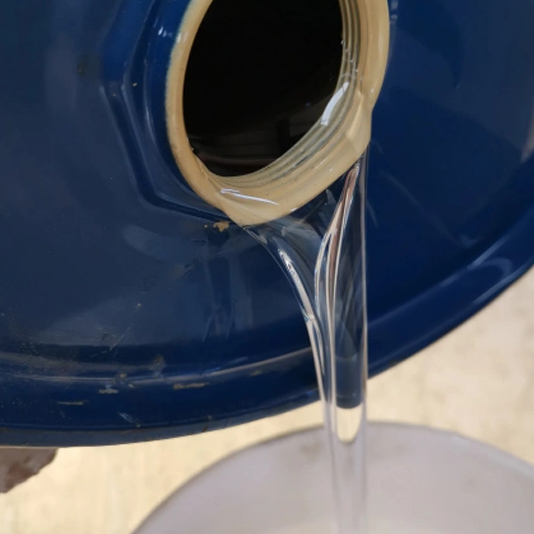
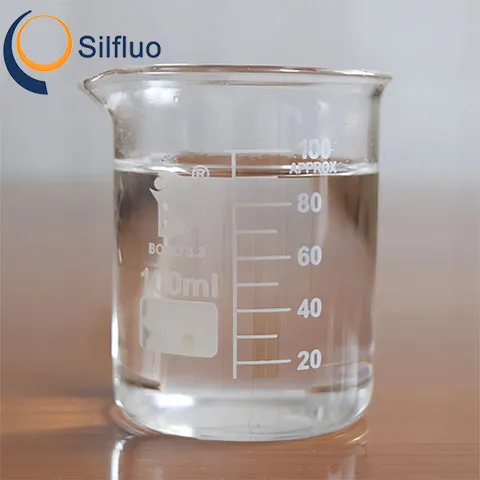
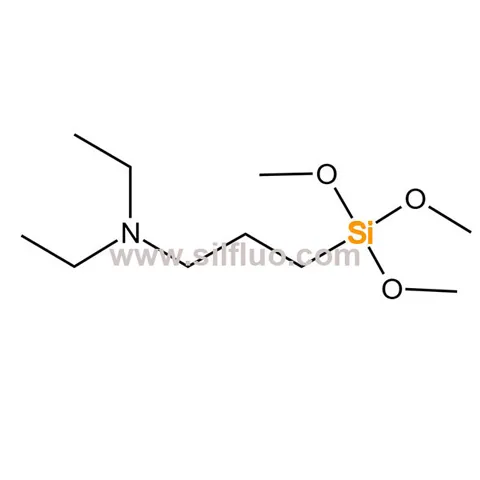
Silicone fluid is a clear, odorless liquid composed of silicone polymers — chains of alternating silicon and oxygen atoms with organic side groups attached to the silicon atoms. This silicon-oxygen backbone is the source of the material's distinctive performance characteristics. The silicon-oxygen bond is significantly stronger and more thermally stable than the carbon-carbon bonds that form the backbone of conventional organic oils, which means that silicone fluid resists the thermal degradation mechanisms — oxidation, carbonization, and polymer chain scission — that limit the service life and operating temperature of conventional fluids.
Silfluo describes silicone fluid as having excellent thermal stability, low surface tension, lubricating properties, and broad value across industrial and consumer applications. These properties work together to create a fluid that performs reliably in the conditions where conventional fluids fail.
When conventional mineral or synthetic hydrocarbon oils are exposed to sustained high temperatures — particularly in the presence of oxygen or metal catalysts — they undergo oxidative degradation that produces carbonaceous deposits, sludge, and acidic byproducts. These deposits accumulate on heat transfer surfaces, reducing thermal efficiency. They contaminate electrical insulation systems, reducing dielectric strength. They clog circulation systems, increasing pressure drop and reducing flow. And they accelerate the degradation of seals, coatings, and other system components that contact the fluid.
Silicone fluid resists carbonization significantly better than conventional organic fluids under comparable conditions because the silicon-oxygen backbone does not undergo the same oxidative chain reactions that produce carbonaceous deposits in hydrocarbon oils. This resistance to carbonization is one of the primary reasons that silicone fluid is specified as a high temperature heat transfer fluid in applications where conventional oils would require frequent replacement or would leave deposits that compromise system performance.
At low temperatures, conventional mineral oils and many synthetic hydrocarbons thicken dramatically — their viscosity increases by orders of magnitude as temperature drops toward the pour point. In systems that must start and circulate fluid at low ambient temperatures — aerospace equipment at altitude, outdoor industrial systems in cold climates, new energy vehicles in winter conditions — this viscosity increase can prevent adequate fluid circulation during startup, causing thermal management failures, mechanical damage, or system shutdown.
Silicone fluid maintains a much more stable viscosity across temperature changes than conventional organic fluids, and its pour point is significantly lower than most mineral oils. This combination of low pour point and stable viscosity-temperature behavior makes it the preferred choice for low pour point silicone oil applications in cold-climate and aerospace systems where reliable cold-start performance is a design requirement.
Transformer insulation fluids and dielectric cooling media must maintain their electrical insulation properties — dielectric strength, volume resistivity, and dissipation factor — throughout their service life. Conventional mineral transformer oils can absorb moisture, oxidize, and accumulate conductive contaminants over time, all of which reduce dielectric performance. Silicone fluid offers inherently better resistance to moisture absorption and oxidative degradation, supporting more stable long-term dielectric performance in transformer insulation and electrical cooling applications.
The industries where these combined properties create the most value in 2026 include new energy systems requiring battery thermal management and power electronics cooling, commercial aerospace equipment requiring fluids that perform across extreme altitude temperature ranges, high-voltage transformer insulation requiring long-life dielectric media, precision laboratory temperature control systems requiring stable circulation fluids, and industrial damping and hydraulic systems requiring consistent viscosity behavior.
![]()
The viscosity-temperature coefficient is one of the most important — and most frequently underappreciated — performance parameters for any fluid used in thermal management, damping, or circulation applications. Understanding what it means and why silicone fluid performs well on this metric is essential for buyers evaluating industrial silicone fluid options for critical systems.
The viscosity-temperature coefficient describes the rate at which a fluid's viscosity changes as temperature changes. A fluid with a high viscosity-temperature coefficient becomes dramatically more viscous as temperature drops and dramatically less viscous as temperature rises — meaning that its flow behavior changes significantly across the operating temperature range. A fluid with a low viscosity-temperature coefficient maintains more consistent viscosity across temperature changes, providing more predictable flow behavior throughout the system's operating range.
In critical systems, viscosity stability matters for several interconnected reasons:
Circulation predictability in laboratory and industrial heating and cooling baths depends on consistent fluid viscosity. A laboratory temperature control bath that uses a fluid with poor viscosity-temperature stability will experience different flow rates, different heat transfer coefficients, and different temperature uniformity at different operating temperatures. This variability makes precise temperature control more difficult and can introduce systematic errors in temperature-sensitive experiments or processes.
Damping consistency in shock absorbers and control devices relies directly on the viscous resistance of the fluid to absorb and dissipate mechanical energy. If the fluid's viscosity changes significantly with temperature, the damping force changes — a shock absorber that is correctly tuned at operating temperature may be over-damped at cold start or under-damped at elevated temperature. Silicone fluid is widely used in precision damping applications precisely because its stable viscosity-temperature behavior maintains consistent damping force across the operating temperature range.
Stable thermal transfer in heating and cooling loops depends on the fluid's viscosity, thermal conductivity, and flow velocity working together consistently. A fluid that thickens significantly at low temperature will have reduced flow velocity in a fixed-pressure circulation system, reducing the heat transfer coefficient and compromising thermal management performance during cold-start conditions.
Reduced startup risk in cold environments is one of the most practically important benefits of low pour point silicone oil. Systems that use fluids with high pour points or steep viscosity-temperature curves face elevated risk during cold-start conditions, when the fluid may be too viscous to circulate adequately before the system reaches operating temperature.
Beyond the viscosity-temperature coefficient, silicone fluid offers physical stability under repeated heating and cooling cycles that conventional organic fluids cannot match over long service periods. The silicon-oxygen backbone resists the oxidative degradation that causes conventional oils to darken, thicken, and form deposits over time. This means that the fluid's viscosity, thermal conductivity, and dielectric properties remain more stable over the service life of the system — reducing the frequency of fluid replacement and the risk of performance degradation between replacement intervals.
In 2026, new energy and aerospace systems are increasingly specifying operating temperature windows that extend from below -50°C to above 200°C — ranges that would cause most conventional organic fluids to either freeze solid at the low end or carbonize and degrade at the high end. Silicone fluid — particularly phenyl silicone fluid grades with enhanced low-temperature and high-temperature performance — can maintain stable physical properties across much of this range, making it one of the few fluid options that can serve as a high temperature heat transfer fluid while also providing reliable cold-start performance.
The silicone fluid category is not a single product — it is a family of related materials with different molecular structures, viscosity ranges, and performance characteristics that make each type most appropriate for specific applications. Understanding the differences between fluid types is essential for buyers selecting industrial silicone fluid for critical system applications.
Regular silicone fluid — polydimethylsiloxane (PDMS) — is the most widely used type, offering the core combination of thermal stability, low surface tension, stable viscosity-temperature behavior, and chemical inertness that defines the silicone fluid category. It is available across a wide viscosity range, from very low-viscosity grades suitable for precision instrument lubrication and light-duty circulation to high-viscosity grades suitable for damping and film-forming applications.
For general industrial silicone fluid applications — machinery lubrication, hydraulic system damping, thermal management circulation, and surface treatment — regular silicone fluid provides the baseline performance that makes silicone fluids valuable in critical systems.
Phenyl silicone fluid incorporates phenyl groups into the silicone polymer chain, which modifies the fluid's thermal and low-temperature performance characteristics compared with regular PDMS. The phenyl groups improve thermal stability at elevated temperatures and can extend the useful operating range of the fluid in both high-temperature and low-temperature directions.
For aerospace applications, high-performance laboratory temperature control systems, and new energy equipment that must operate across the widest possible temperature range, phenyl silicone fluid offers performance advantages that regular silicone fluid cannot provide. It is one of the most technically appropriate choices for applications requiring a high temperature heat transfer fluid that also maintains adequate fluidity at very low temperatures.
Fluorosilicone fluid incorporates fluorinated side groups into the silicone polymer chain, combining the thermal stability and viscosity-temperature characteristics of silicone fluid with improved resistance to fuels, oils, solvents, and aggressive chemicals. For specialty industrial environments where the fluid may contact aggressive chemical media — fuel system components, chemical processing equipment, or industrial systems with solvent exposure — fluorosilicone fluid provides chemical resistance that regular silicone fluid cannot offer.
Selected silicone fluid grades — particularly high-purity, low-viscosity formulations with controlled moisture content — are used as dielectric silicone fluid in transformer insulation, electrical cooling, and high-voltage equipment applications. The key performance requirements for dielectric applications are dielectric strength, volume resistivity, dissipation factor, and moisture content — all of which must be verified through electrical testing before use in transformer or high-voltage insulation applications.
Silfluo's silicone fluid range includes alkoxy silicone fluid, hydrogen silicone oil, silanol silicone fluids, regular silicone fluid, phenyl silicone fluid, fluorosilicone fluid, and vinyl silicone fluid categories — providing the grade breadth needed to match fluid performance to the specific requirements of each critical system application.
| Silicone Fluid Type | Primary Application | Key Performance Advantage |
|---|---|---|
| Regular silicone fluid | General lubrication, damping, thermal management | Stable viscosity-temperature behavior, thermal stability |
| Low-viscosity grade | Precision instruments, light-duty circulation | Better flow at low resistance |
| High-viscosity grade | Shock absorbers, mechanical damping | Stronger damping force and film formation |
| Phenyl silicone fluid | Aerospace, wide-range temperature systems | Enhanced high and low temperature performance |
| Fluorosilicone fluid | Chemical-contact specialty environments | Improved chemical and fuel resistance |
| Dielectric silicone fluid | Transformer insulation, electrical cooling | Stable dielectric properties, low moisture absorption |
The decision to specify silicone fluid instead of conventional mineral oil, synthetic hydrocarbon, or glycol-based fluid should be based on a clear analysis of the application's operating conditions and performance requirements — not on general preferences or cost comparisons alone. The following comparison framework helps buyers make this decision systematically.
| Fluid Type | Best Application | Primary Advantage | Key Limitation |
|---|---|---|---|
| Silicone fluid | Heat transfer, damping, dielectric insulation, precision systems | Wide temperature stability, dielectric performance, low carbonization tendency | Must match viscosity and grade to application; higher unit cost than mineral oil |
| Mineral oil | General lubrication and conventional transformer use | Cost-effective, widely available, established supply chain | Lower thermal and oxidative stability in demanding conditions |
| Synthetic hydrocarbon oil | Industrial lubrication and heat transfer | Good engineered performance across moderate temperature ranges | May face oxidation and carbonization limits at high temperatures |
| Glycol-based fluid | Cooling loops and antifreeze systems | Good low-temperature cooling performance | Limited electrical insulation capability; not suitable for dielectric applications |
For high temperature heat transfer applications — when the operating temperature exceeds the practical limit of conventional organic fluids, typically above 150°C to 200°C for sustained operation — silicone fluid provides thermal stability that conventional oils cannot match. Its resistance to carbonization means that heat transfer surfaces remain clean, thermal efficiency is maintained, and fluid replacement intervals are extended.
For cold-climate and aerospace applications — when the system must start and circulate fluid at very low temperatures — low pour point silicone oil provides reliable cold-start performance that conventional mineral oils with higher pour points cannot guarantee. The stable viscosity-temperature behavior of silicone fluid also means that the system's thermal management performance is more consistent across the full operating temperature range.
For electrical insulation and transformer applications — when the fluid must serve as a dielectric medium in addition to a thermal management fluid — dielectric silicone fluid provides the combination of electrical insulation properties and thermal stability that conventional mineral transformer oils may not maintain over long service periods in demanding conditions.
For precision damping applications — when consistent damping force across a wide temperature range is required in precision instruments, aerospace control systems, or industrial vibration control equipment — the stable viscosity-temperature behavior of silicone fluid provides more consistent damping performance than conventional oils whose viscosity changes significantly with temperature.
Selecting the wrong viscosity grade for the application is one of the most common errors — too low a viscosity reduces damping force and film strength, while too high a viscosity reduces flow rate and heat transfer efficiency in circulation systems. Failing to verify compatibility between the silicone fluid and the seals, coatings, plastics, and metals in the system is another frequent oversight — some elastomers and coatings are not compatible with silicone fluids. Not confirming dielectric strength and purity for electrical insulation applications is a critical gap — not all silicone fluid grades are suitable for dielectric use. And comparing only unit purchase price without calculating total lifecycle cost underestimates the value of extended service life and reduced maintenance requirements that silicone fluid provides in critical applications.
Selecting the right silicone fluid grade is the foundation of reliable critical system performance, but the procurement process, application validation, and ongoing maintenance practices that follow are equally important for ensuring that the fluid delivers its rated performance throughout the system's service life.
Before specifying silicone fluid for a critical system application, buyers and engineers should confirm the following:
Define the primary application function: heat transfer, damping, dielectric insulation, lubrication, hydraulic stabilization, or combined functions
Establish the operating temperature range — both minimum cold-start temperature and maximum sustained operating temperature — and confirm that the selected grade maintains adequate performance across this range
Select viscosity based on the specific application requirement: pumpability and heat transfer efficiency for circulation systems, damping force for shock absorbers and control devices, film strength for lubrication applications
Request viscosity-temperature performance data across the full operating temperature range — not just at a single reference temperature
Confirm pour point if the system operates in cold environments or requires reliable cold-start performance
Check thermal stability data — maximum continuous operating temperature and resistance to carbonization — for high-temperature applications
Confirm dielectric strength, volume resistivity, and dissipation factor for transformer insulation and electrical cooling applications
Verify compatibility with all system materials that will contact the fluid: seals, gaskets, coatings, plastics, and metals
Request technical support from experienced silicone fluid manufacturers to confirm grade selection before procurement commitment
Compare total lifecycle cost — including fluid replacement frequency, system cleaning requirements, and maintenance labor — not only unit purchase price
Monitor fluid color, viscosity, and contamination level at scheduled maintenance intervals — changes in these parameters can indicate fluid degradation or system contamination before they cause system failure
Avoid mixing silicone fluid with incompatible oils, fluids, or contaminants — even small amounts of contamination can compromise dielectric properties in electrical applications or alter viscosity in precision damping systems
Keep circulation systems sealed to minimize exposure to dust, moisture, and chemical contaminants that can degrade fluid performance over time
Filter circulating systems when contamination is detected — particulate contamination can accelerate wear in mechanical systems and reduce dielectric strength in electrical applications
Inspect pumps, seals, and hoses for compatibility-related degradation at scheduled maintenance intervals — silicone fluid incompatibility with certain elastomers can cause seal swelling or degradation that introduces contamination into the fluid
Replace fluid according to operating conditions and periodic test results rather than on a fixed time schedule — in critical systems, fluid condition testing is more reliable than time-based replacement intervals
Store unused silicone fluid in clean, sealed containers away from moisture, strong contaminants, and temperature extremes — contamination during storage can compromise fluid performance before it is even put into service
Maintain batch records and fluid test documentation for critical systems such as transformers, aerospace equipment, and laboratory circulation baths — this documentation supports quality management, regulatory compliance, and failure analysis
The role of silicone fluid in critical industrial and energy systems has expanded significantly in 2026, driven by the increasing demands of new energy equipment, commercial aerospace, high-voltage transformer insulation, and precision laboratory temperature control. Where conventional organic fluids reach their limits — carbonizing at high temperatures, freezing at low temperatures, losing dielectric properties under electrical stress, or providing inconsistent damping force across temperature changes — silicone fluid maintains the physical and chemical stability that critical systems depend on.
Its superior viscosity-temperature coefficient keeps circulation predictable and damping consistent across wide operating ranges. Its resistance to carbonization protects heat transfer surfaces and extends fluid service life in high-temperature applications. Its low pour point ensures reliable cold-start performance in aerospace and cold-climate systems. And its stable dielectric properties support long-life transformer insulation and electrical cooling applications that conventional mineral oils cannot serve as reliably over extended service periods.
As one of the most technically capable silicone fluid manufacturers serving industrial, new energy, and aerospace markets, Silfluo provides a broad silicone fluid portfolio for electronics, electric power, automotive, healthcare, and surface-treatment applications — with the grade range, technical data support, and application engineering capability needed to match fluid performance to the specific requirements of each critical system. Whether you are sourcing from established silicone fluid manufacturers for the first time or evaluating alternative suppliers for an existing program, Silfluo's product breadth and technical support capability make it a practical starting point for any critical system fluid specification.
Contact Silfluo today to discuss your operating temperature range, viscosity requirements, dielectric specifications, and application environment. The Silfluo technical team can recommend the most appropriate industrial silicone fluid, low pour point silicone oil, high temperature heat transfer fluid, or dielectric silicone fluid grade for your critical system — and provide the technical data needed to validate the selection before procurement commitment.
Q1: What is silicone fluid and why is it used in critical systems?
Silicone fluid is a clear, odorless liquid composed of silicone polymers — chains of alternating silicon and oxygen atoms with organic side groups. It is used in critical systems because its silicon-oxygen backbone provides thermal stability, resistance to carbonization, stable viscosity-temperature behavior, and chemical inertness that conventional organic oils cannot match across the extreme operating conditions of new energy equipment, aerospace systems, transformer insulation, and precision laboratory applications.
Q2: Why is silicone fluid preferred as a high temperature heat transfer fluid?
Silicone fluid resists the carbonization and oxidative degradation that cause conventional organic oils to form deposits on heat transfer surfaces at elevated temperatures. This resistance to carbonization maintains heat transfer efficiency over longer service periods, reduces maintenance requirements, and supports reliable operation at temperatures where conventional fluids would require frequent replacement or would leave deposits that compromise system performance.
Q3: What is low pour point silicone oil and when is it needed?
Low pour point silicone oil refers to silicone fluid grades that remain fluid at very low temperatures — significantly lower than the pour points of most conventional mineral oils. These grades are needed in applications that must start and circulate fluid at low ambient temperatures, including aerospace equipment at altitude, outdoor industrial systems in cold climates, and new energy vehicles in winter operating conditions.
Q4: Can silicone fluid be used as a dielectric fluid in transformers?
Yes, selected dielectric silicone fluid grades — particularly high-purity formulations with controlled moisture content and verified electrical properties — can be used in transformer insulation and electrical cooling applications. Buyers must confirm dielectric strength, volume resistivity, dissipation factor, and moisture content through electrical testing before specifying silicone fluid for transformer or high-voltage insulation use.
Q5: How does the viscosity-temperature coefficient of silicone fluid compare to conventional oils?
Silicone fluid has a significantly lower viscosity-temperature coefficient than most conventional mineral oils and many synthetic hydrocarbons — meaning that its viscosity changes less dramatically as temperature changes. This stable viscosity behavior is particularly valuable in damping applications where consistent force is required across temperature changes, in circulation systems where predictable flow rate is needed across the operating temperature range, and in cold-start applications where excessive viscosity increase at low temperature would prevent adequate fluid circulation.
Q6: How should buyers choose among silicone fluid manufacturers?
Buyers should evaluate silicone fluid manufacturers based on product range breadth — including viscosity options, fluid types, and specialty grades — technical data quality and completeness, application engineering support capability, quality control and batch traceability systems, customization capability for non-standard requirements, and demonstrated experience in the specific application areas relevant to the buyer's critical system. Price comparison alone is not an adequate basis for selecting a supplier for critical system fluid applications where fluid failure has significant consequences.