English
 日本語
日本語 한국어
한국어 français
 Deutsch
 Español
 русский
 português
 العربية
 tiếng việt
 ไทย
ไทย

![LS-PEG20 3-[Methoxy(Polyethyleneoxy)-Propyl]Trimethoxysilane](/uploads/image/20251210/3-[Methoxy(polyethyleneoxy)-propyl]trimethoxysilane-Silfluo-LS-PEG20_65994-07-2.webp "LS-PEG20 3-[Methoxy(Polyethyleneoxy)-Propyl]Trimethoxysilane")
Your Professional Silanes & Silicones Supplier

Contact Us
Try Our Best To Meet Your Needs
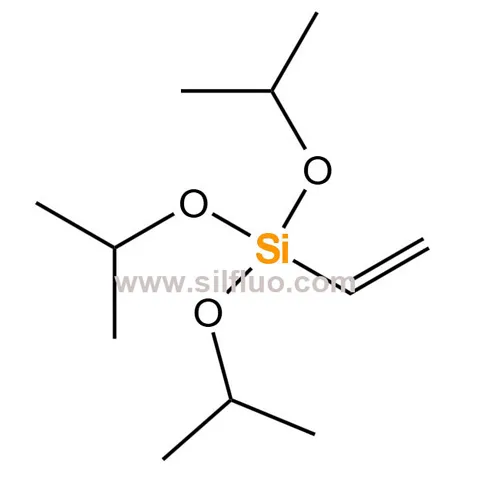
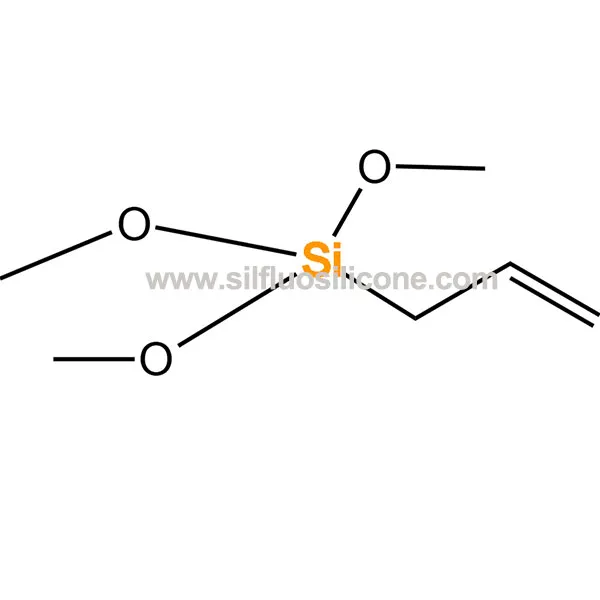
Specialty functional silanes are used for targeted surface modification, resin compatibility, and interface control in selected material systems.
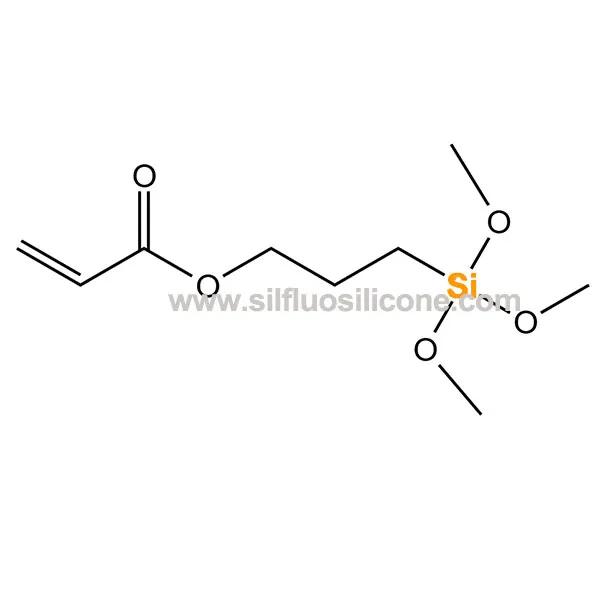
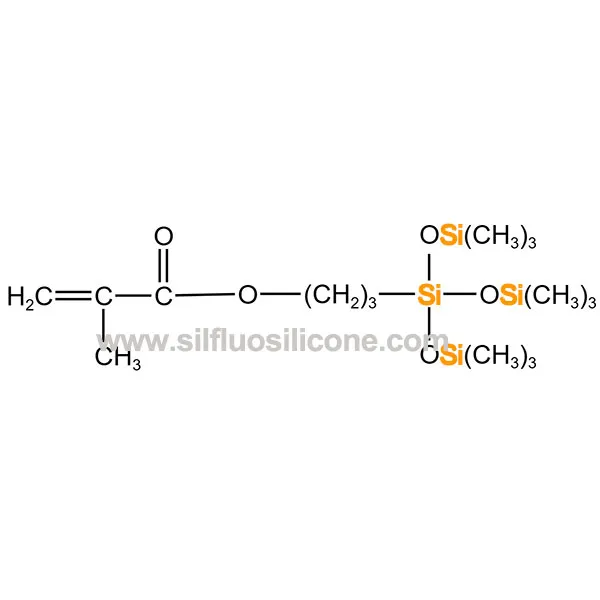
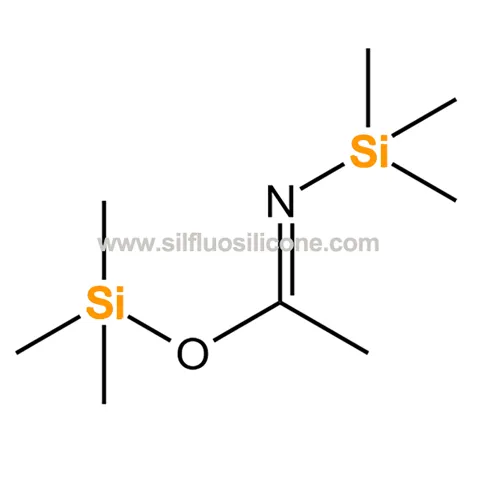
They include PEG-functional silanes, acryloxy-functional silanes, epoxy-functional silanes, and other customized organosilane structures.
These silanes combine hydrolyzable silyl groups with organic functional groups that can interact with inorganic surfaces, fillers, coatings, resins, or reactive polymer systems.
Typical evaluation areas include hydrophilic coatings, anti-fog treatment, UV-curable coatings, fiber-optic materials, 3D printing resins, electronic encapsulants, adhesives, and mineral-filled systems.
Application performance depends on substrate chemistry, surface pretreatment, resin type, filler loading, catalyst system, curing process, and storage conditions.
Surface energy, adhesion, viscosity, dispersion stability, curing behavior, and durability should be confirmed in the target system.

The customization process of silane involves tailoring the chemical structure to meet specific application requirements. This typically includes the following steps:
1. Identification of Needs: Identify the exact requirements of the application, such as adhesion improvement, surface modification, or compatibility.
2. Chemical Formulation: Choose the appropriate silane precursor and functional groups to achieve the desired properties.
3. Synthesis: Customized silanes are synthesized through chemical reactions under controlled conditions.
4. Testing and Quality Control: Perform rigorous testing to ensure the customized silane meets the specified performance standards.
5. Scale-Up: If successful, the synthesis can be scaled up for production.
Customized silanes can enhance the performance of various materials, such as coatings, adhesives, and composites, in diverse industrial applications.
Customized silanes offer numerous advantages. By tailoring the chemical structure, they can be optimized for specific applications, ensuring superior performance. This results in improved adhesion, durability, and compatibility with materials. Customization allows for better control over properties such as hydrophobicity and oleophobicity, enhancing material protection. It enables the development of products tailored to unique industrial needs, which is particularly valuable in sectors such as adhesives, coatings, and composites where optimizing material performance and reliability is essential.