English
 日本語
 한국어
 français
 Deutsch
 Español
 русский
 português
 العربية
 tiếng việt
 ไทย

Products
Silanes & Catalysts
Silicone Fluids & Reactive Polymers
Silicone Resin
Silicone Rubber
Silicone Surfactant
Conformal Coating
Fluorinated Electronic Coating
Phenyl Silane & Siloxane
Fluoro Silane & Siloxane
Silane Oligomers & Waterborne Silanes
Alpha Silanes
Amino Silanes
Customized Silane
Crosslinkers, Latent Silanes & Catalysts
Polyolefin Catalysts & Donors
Siloxanes & Silazanes
Alkoxy Silicone Fluid
Hydrogen Silicone Oil
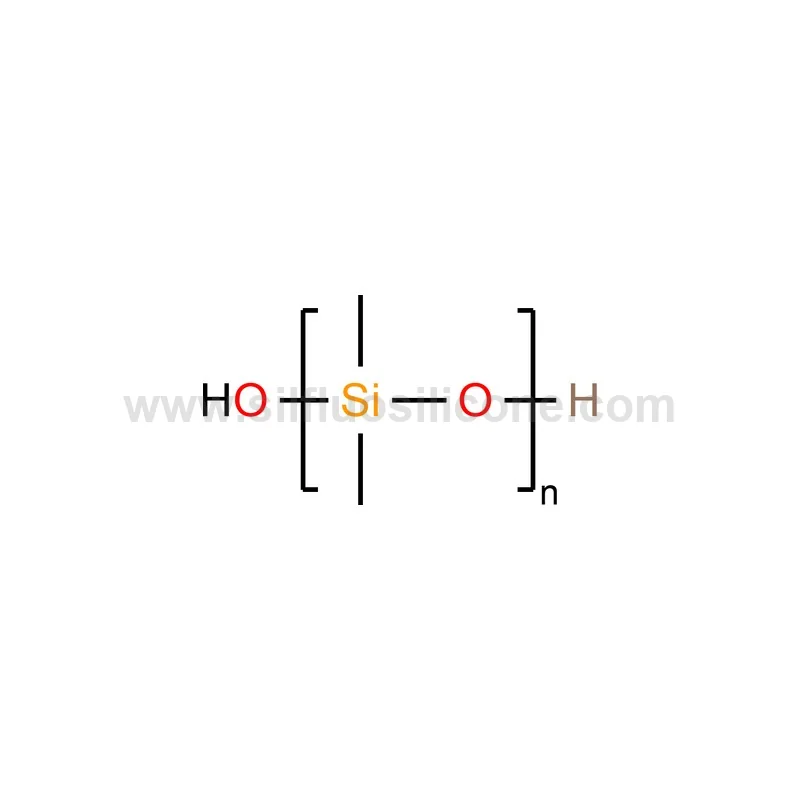
Silanol Sillicone Fluids & OH Polymer
Regular Silicone Fluid
Phenyl Silicone Fluid
Fluorosilicone Fluid
Vinyl Silicone Fluid
Silicone Emulsion
Modified Silicone Fluid
MQ Silicone Resin
LR-021 Organic Silicone Resin
LR-030 Silicone Resin
LR-037 Solvent Free Silicone Resin
LR-038 Solvent Free Methyl Phenyl Silicone Resin
LR-131 Solvent Free Silicone Resin
LR-152 Organic Silicone Resin
LR-160 Silicone Resin for Heat-resistant Coating
LR-162 Methyl Phenyl Silicone Resin
LR-163 Methyl Phenyl Silicone Resin
LR-240/241/242 Solid Silicone Resin
LR-608 Methyl Silicone Resin
LR-E168 Methyl Phenyl Silicone Resin Emulsion
LR-E169 Silicone Resin Emulsion
LR-E212 Silicone Resin Emulsion
LR-EP167 Silicone Resin Emulsion
LR-H160 High Resistant Silicone Resin
LR-H161 Heat Resisitant Air-drying Silicone Resin
LR-H167 High Resistant Silicone Resin
LR-H168 High Resistant Silicone Resin
LR-M123 Epoxy Modified Silicone Resin
LR-M124 Acrylic Modified Organic Silicone Resin
LR-M125 Alkyd Modified Silicone Resin
LR-M161 Polyester Modified Organic Silicone Resin
LR-M163 Acrylic Modified Silicone Resin
LR-M164 Epoxy-modified Silicone Resin
LR-S161 Heat Resistant Air-drying Silicone Resin
LR-S164 Air Drying Silicone Resin
LR-TMP10 Solid Silicone Intermediate
LR-610 Polymethylsilsesquioxane(PMSQ)
LA-10 Agricultural Silicone Surfactant
LA-11 Agricultural Silicone Penetrant
LA-12 Foliar Wetting Agent
LA-13 Oil Soluble Agricultural Adjuvant
LA-14 Low-Foam Silicone Spreading Agent
LA-15 Advanced Cuticular Penetrant
LF-ST493 Polyether-Modified Polysiloxane Silicone Surfactant
LS-653 Phenyl Siloxane
LS-P60 Phenyl Siloxane
LS-M11 Phenyltrimethoxysilane
LS-E11 Phenyltriethoxysilane (Donor A)
LS-M12 Diphenyldimethoxysilane
LS-E12 Diphenyldiethoxysilane
LS-M13 Dimethoxymethylphenylsilane
LS-M14 Methoxytriphenylsilane
LS-H12 Dihydroxydiphenylsilane
LS-H13 Triphenylsilanol; Hydroxytriphenylsilane
LS-614 Hexaphenyldisiloxane
LS-615 1,1,5,5-Tetramethyl-3,3-Diphenyl-Trisiloxane
LS-618 Octaphenylcyclotetrasiloxane
LS-6345 Methylphenylcyclosiloxane
LS-M121 Methyldiphenylmethoxysilane
LS-PHIPS Phenyltris(isopropenyloxy)silane
LS-644 Tetraphenyltetramethyltrisiloxane
LS-532 (3,3,3-Trifluoropropyl) Dichloromethylsilane
LS-533 Tridecafluorooctyl) Trichlorosilane
LS-M531 3,3,3-Trifluoropropyl) Methyldimethoxysilane
LS-M53 3,3,3-Trifluoropropyltrimethoxysilane
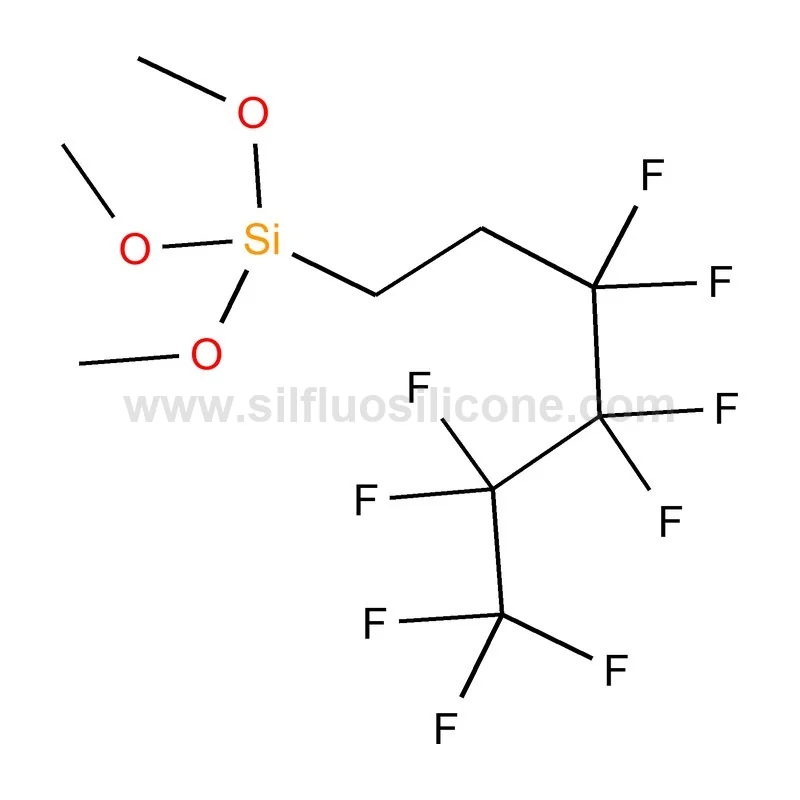
LS-M59 1H,1H,2H,2H-Nonafluorohexyltrimethoxysilane
LS-E59 1H,1H,2H,2H-Nonafluorohexyltriethoxysilane
LS-M513 1H,1H,2H,2H-Perfluorooctyltrimethoxysilane
LS-E513 1H,1H,2H,2H-Perfluorooctyltriethoxysilane
LS-M517 1H,1H,2H,2H-Perfluorodecyltrimethoxysilane
LS-E517 1H,1H,2H,2H-Perfluorodecyltriethoxysilane
LS-51 2,2,2-Trifluoroethyl Methacrylate
LS-52 1H,1H,2H,2H-Perfluorodecanethiol
LS-651 1,3,5-Tris [ (3,3,3-Trifluoropropyl) Methyl] Cyclotrisiloxane/D3F
LS-M512 Dodecafluoroheptylpropyltrimethoxysilane
LS-53C Perfluoropolyether Modified Acrylic Compound PFPE Modified Acrylic Compound
LS-O146 Oligomeric Diamino Functional Silane
LS-O110 Aqueous 3-aminopropylsilane Hydrolysate
LS-O9831 N-Octyltrimethoxysilane Oligomer
LS-O9832 N-Octyltriethoxysilane Oligomer
LS-OP121 Methylphenyldimethoxysilane Oligomer
LS-OP200 Epoxy Silane Oligomer
LS-ND174 Methacryloxymethyltriethoxysilane
LS-NDBA N-(Triethoxysilylmethyl)butylamine
LS-NDCHA N-[(Triethoxysilyl)methyl]cyclohexylamine
LS-ND21 N-(2-Aminoethyl)aminomethyltriethoxysilane
LS-ND22 Diethylaminomethyltriethoxysilane
LS-ND42 (N-Phenylamino)methyltriethoxysilane
LS-ND43 Dichloromethyltriethoxysilane
LS-8121 Chloromethyl(dimethoxy)methylsilane
LS-AM31 Methyl n-(trimethoxysilylmethyl)carbamate
LS-AM121 Methyl [n-(dimethoxymethyl)silylmethyl]carbamate
LS-MA131 Acryloyloxymethyltrimethoxysilane
LS-A431 N-(3-(Trimethoxysilyl)propyl)butylamine
LS-AB31 N-Phenyl-gamma-aminopropyltrimethoxysilane
LS-AD31 Bis(trimethoxysilylpropyl)amine 1170
LS-AD323 Bis[3-(triethoxysilyl)propyl]amine 1171
LS-AV31 γ-Aminopropyl-N-cyclohexylmethyldimethoxysilane 1130
LS-DA111 3-(Diethylamino)propyltrimethoxysilane
LS-AH13 N-(6-aminohexyl)aminomethyltriethoxysilane
LS-AS32 N-[3-(triethoxysilyl)propyl]-4,5-dihydroimidazole
LS-AS213 2,2-Dimethoxy-1-[3-(trimethoxysilyl)propyl]-1,2-azasilolidine
LS-B632 Benzylsilane Vinylbenzylaminoethylaminopropyltrimethoxysilane
LS-B6032 Benzylsilane 3-(N-Styrylmethyl-2-aminoethylamino)-propyltrimethoxysilane
LS-B6224 Vinylbenzylaminofunctionaltrimethoxysilane
LS-D312 1,2-Bis(trimethoxysilyl)ethane
LS-D322 1,2-Bis(triethoxysilyl)ethane
LS-A112T (2-Aminoethyl)-3-aminopropyltrimethoxysilane (Technical Grade)
LS-94322 1,1,3,3-Tetramethyl-1-[2'-(Trimethoxysilyl)Ethyl]-Disiloxane
LS-VI33 VTIPOS Vinyltriisopropoxysilane
LS-AMS Allyltrimethoxysilane
LS-GLYDME 3-(Glycidyloxy)propyldimethylethoxysilane
LS-M304 (3-Acryloxypropyl)trimethoxysilane
LS-OP594 3-Methacryloxypropyletris(trimethylsiloxy)silane
LS-BSA N,O-Bis(trimethylsilyl)acetamide(BSA)
LS-PEG20 3-[Methoxy(Polyethyleneoxy)-Propyl]Trimethoxysilane
LS-VTPS Vinyltris(tert-butylperoxy)silane
LS-AS312 3-(1,3-dimethylbutylidene)aminopropylmethyldiethoxysilane
LS-AS332 3-(1,3-dimethylbutylidene)aminopropyltriethoxysilane
LS-AT102 Methyltriacetoxysilane
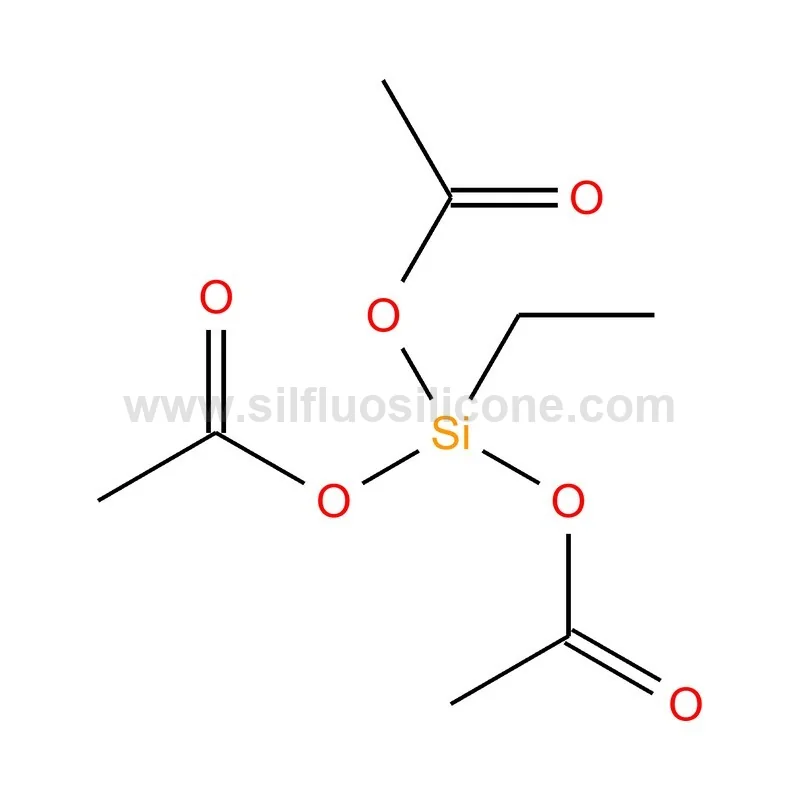
LS-AT402 Ethyltriacetoxysilane
LS-MTIS 3-methacryloxypropyltri(isopropenyloxy)silane
LS-MMOS Methyimethoxybis(methylethylketoximino)silane
LS-MVOS Vinylmethylbis(methylethylketoximino)silane
LS-VIPS Vinyltriisopropenoxysilane
LS-GCF 1,1,3,3-Tetramethyl-2-[3-(Trimethoxysilyl)Propyl]Guanidine
LF-H101H High Hydrogen Silicone Fluid
LF-H101L Low Hydrogen Silicone Fluid
LF-H101S Side-H Silicone Oil
LF-H101T Terminal-H Silicone Oil
LF-H101TS Terminal & Side-H Silicone Oil
LF-OHP Silanol Terminated Polydimethylsiloxane
LF-OHP2 Diphenyl Hydroxy Silicone Oil
LF-OHPM Phenyl Methyl Hydroxy Silicone Oil
LF-OHPV Vinyl Hydroxy Silicone Oil
LF-MOHP Monohydroxyl-Terminated Silicone Fluid
LF-201 Dimethyl Silicone Fluid
LF-211 Low-Viscosity Dimethyl Silicone Fluid
LF-221 High-Viscosity Dimethyl Silicone Fluid
LF-AM11 / LF-AM12 Alkyl and Alkyl Aryl Silicone Fluids
LF-PM12 Diphenyl Silicone Oil
LF-PM13 Phenyl Siloxane
LF-PM11 Phenyl Methyl Silicone Fluid
LF-PV11 Phenyl Vinyl Silicone Fluid
LF-PH11 Phenyl Hydrogen Silicone Oil
LF-PH12 Hydride-Terminated Phenyl Silicone Fluid
LF-PM100 Phenyl Methyl Silicone Fluid
LF-PM101 Phenyl Methyl Silicone Fluid
LF-PM102 Phenyl Methyl Silicone Fluid
LF-PM174 Silicone Diffusion Pump Fluid
LF-PM175 Silicone Diffusion Pump Fluid
LF-PME11 Epoxy-Functional Phenyl Methyl Silicone Fluid
LF-AF11 Amino-Modified Fluorosilicone Fluid
LF-MF11 Methyl-Terminated Fluorosilicone Fluid
LF-VF11 Vinyl Terminated Fluorosilicone Fluid
LF-HF11 Hydroxyl-Terminated Fluorosilicone Fluid
LF-HF12 Hydrogen-Containing Fluorosilicone Fluid
LF-CMF11 Methyl Fluorosilicone Copolymer Fluid
LF-CHF11 Hydroxyl Fluorosilicone Copolymer Fluid
LF-VHF13 Vinyl-Hydroxyl Fluorosilicone Fluid
LF-CF11 Carbinol-Functional Fluorosilicone Fluid
LF-PFH11 Perfluorohexyl Silicone Fluid
LF-PEF11 Polyether-Modified Fluorosiloxane
LF-VMPDMS Mono-Vinyl Terminated Silicone Fluid
LF-VPDMS E-grade Electronic-Grade Vinyl-Terminated Polydimethylsiloxane
LF-VPDMS Vinyl Silicone Fluid (Divinyl-terminated)
LF-EH101 Methyl Hydrogen Polysiloxane Emulsion
LF-SE201 Silicone Emulsion
LF-SE203 Long-Chain Alkyl (Aryl) Silicone Emulsion
LF-EM102S / LF-EM102E Epoxy-Modified Silicone Fluid
LF-PE101 Polyether-Modified Silicone Fluids
LF-PE102 Silicone Polyether Surfactant for Rigid PU Foam
LF-ACM11-600 / LF-ACM11-601 Acrylate-Modified Silicone Fluids
LF-DPM12 Hydroxyl-Terminated Polyether-Modified Silicone Fluids
LF-CM12 Hydroxyalkyl-Terminated Silicone Fluids
LF-CM14 Tetrahydroxyalkyl-Functional Silicone Fluid
LR-MQ Liquid Methyl MQ Silicone Resin
LR-MQ Powder Methyl MQ Silicone Resin
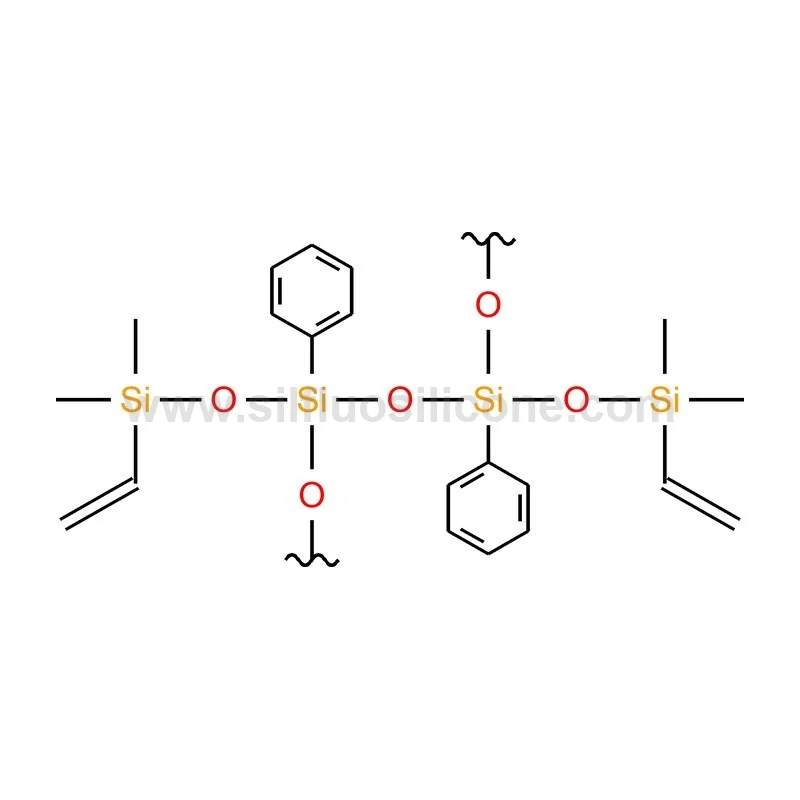
LR-PV101 Vinyl phenyl Silicone M/Q Resin
LR-PH101 Phenyl Hydrogen Silicone Resin
LR-MQV Liquid Methyl Vinyl MQ Silicone Resin
LR-MQV Powder Vinyl-Functional MQ Silicone Resin
LR-TMS Silicone MQ Resin
LR-MQH Hydrogen-Containing MQ Silicone Resin
LR-SRH-08 / 50 / 80 / 95 Hydrogen-Containing Hybrid Silicone Resin
LR-F5100 Fluoro Silicone Gum
LR-F5200 High Tear Strength Series Fluorosilicone Rubber
LR-F5300 Low Pressure Deformation Fluorosilicone Compound
LR-F5400 High Resilience Series Fluorosilicone Rubber
LR-F5500 Adhesive Purpose Series Fluorosilicone Rubber
LR-F5502 Adhesive Purpose Series Fluorosilicone Rubber
LR-F5600 Flame-retarded Series Fluorosilicone Rubber
LR-F5700 Extruded Fluorosilicone Rubber
LR-ELS400 Phenyl-Modified Viscoelastic Silicone Putty